
Book now
Email :
WhatsApp :

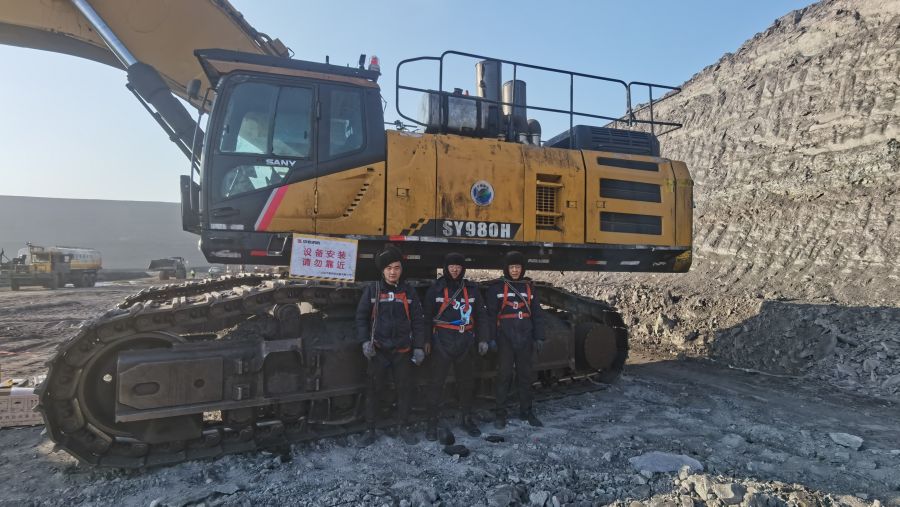
In modern mining and engineering, excavators/backhoes are crucial construction equipment whose safety performance directly impacts project progress and personnel safety. Especially in complex and ever-changing operating environments, excavators face various potential fire hazards during prolonged operation. Therefore, the development and application of specialized automatic fire suppression systems for excavators are particularly important. Shandong Zhongdao Fire Protection has conducted an in-depth analysis of the specialized fire prevention and suppression system for the Jiutong Changsheng excavator from a professional perspective, exploring its multiple safety protection mechanisms that extend beyond basic firefighting functions.
The excavator-specific automatic fire suppression system is a comprehensively customized safety protection device that integrates fire detection, warning, suppression, and intelligent management. The system employs advanced sensor technology, control technology, and suppression technology to monitor fire hazards within the excavator's flammable spaces in real-time. It can quickly initiate the suppression sequence in the early stages of a fire, effectively controlling its spread and minimizing fire-related losses.
1. Effective Fire Suppression Performance
a. High-Efficiency Fire Suppression
Fire Suppressant Selection: The system typically employs efficient and environmentally friendly fire suppressants, such as ultrafine dry powder, novel water-based agents, or perfluorohexane. These suppressants are non-toxic, harmless, and highly biodegradable, capable of rapidly extinguishing the fire source and preventing fire spread.
Customized Nozzle Design: The nozzles feature a professionally customized design and are usually installed in flammable compartments within the excavator, such as the engine bay or fuel tank area. The independently developed nozzles can create a mist-like spray in the protected zone, expanding the suppression coverage and enhancing fire suppression efficiency.
b. Early Warning & Intelligent Monitoring
Sensor Network: The system can be equipped with various sensors per customer requirements, such as temperature sensors, smoke sensors, and flame detectors, enabling real-time monitoring of fire parameters like temperature and smoke concentration inside the excavator.
Intelligent Analysis Algorithm: Data collected by the sensors is processed through intelligent algorithms, which can accurately assess the severity of fire hazards and issue warning signals during the incipient stage of a fire, prompting the operator to take timely countermeasures.
c. Customized Protection Design
Targeted Protection: The system provides a customized protection design based on the different sections and fire risk characteristics of the excavator. For instance, in high-risk areas like the engine bay and fuel tank, the system increases the suppressant discharge volume and spray frequency to ensure adequate protection for these zones.
Modular Design: The system adopts a modular design, facilitating flexible configuration and upgrades for different excavator models.
2. Multifunctional Safety Protection Mechanisms
The system features intelligent fault diagnosis, capable of monitoring the operational status of the excavator's protected areas in real-time. Once an abnormal signal is detected, the system immediately performs fault diagnosis and provides corresponding maintenance suggestions, thereby improving the excavator's reliability and service life.
a. Remote Monitoring & Management
Through remote monitoring and management functions, supervisors can gain real-time insight into the fire safety status of excavators. In the event of a fire or abnormality, management personnel can immediately implement rescue and handling measures, reducing potential losses. Furthermore, these functions allow for remote configuration, debugging, and upgrades of the excavator's fire prevention system, enhancing its flexibility and scalability.
b. Emergency Activation & Self-Protection
The system incorporates multiple emergency activation methods, such as manual start and mechanical emergency start. In critical situations, the operator or management personnel can immediately initiate the suppression protocol to control fire spread.
Contact Us a ReachOut For More lnfo!